Player Retention Patterns Shaped by Multi-Tiered Reward Ecosystems in Britain's Mobile Gambling Apps
Written by Quinn Simmons · Nov 1, 2026
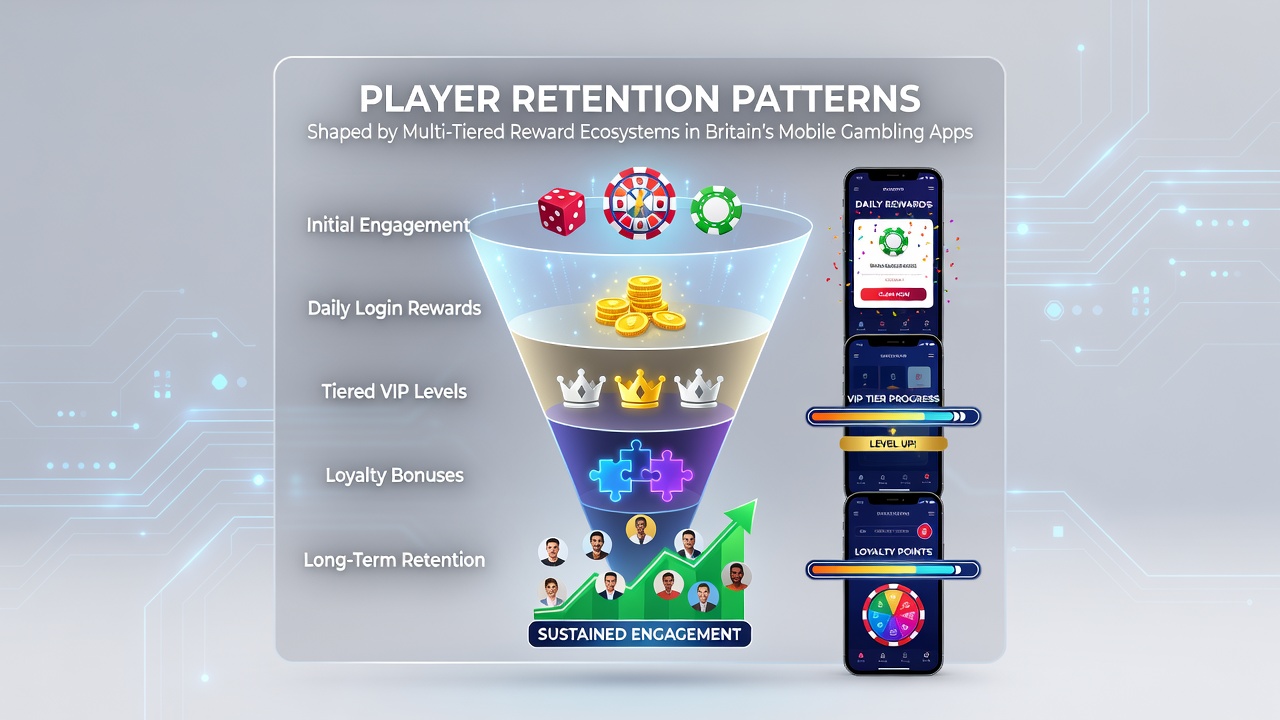
Player Retention Patterns Shaped by Multi-Tiered Reward Ecosystems in Britain's Mobile Gambling Apps
Multi-tiered reward ecosystems in Britain's mobile gambling apps structure player engagement through progressive levels that unlock escalating benefits based on activity metrics such as deposit frequency, session duration, and wager volume, and these systems generate observable retention patterns across user cohorts. Observers note that operators deploy points accumulation mechanics where players advance from entry-level bronze status to higher silver, gold, and platinum designations, with each tier delivering cashback percentages, bonus multipliers, and exclusive event access that scale upward. Data from industry monitoring services reveals that users who reach mid-tier thresholds exhibit extended account activity spans compared to those who remain at base levels, while patterns indicate accelerated drop-off rates among participants who fail to progress within the first thirty days of enrollment.
Mechanics Driving Tier Progression
App developers integrate daily login streaks, challenge completions, and leaderboard placements into the core progression loop, and this design encourages consistent returns because each completed action contributes directly to point totals that determine tier advancement. Researchers tracking user behavior across multiple platforms have documented how the introduction of personalized milestone targets, adjusted according to individual play history, sustains momentum for longer periods than static reward schedules. In practice, a player starting with basic free spin allocations might unlock enhanced withdrawal limits upon reaching silver status, and this transition often correlates with increased session frequency as the perceived value of continued participation rises.
Observed Retention Metrics in Recent Data Releases
Figures compiled through November 2026 indicate that mobile gambling applications employing five or more distinct reward tiers report average monthly active user retention rates that exceed those of simpler single-bonus structures by measurable margins. Studies conducted by academic groups at institutions such as the Responsible Gambling Council in Canada highlight how segmented reward delivery reduces early-stage churn, particularly when tiers incorporate both monetary and non-monetary incentives like tournament entries or merchandise redemptions. British operators have adopted similar frameworks, and telemetry logs show that players who cross into the third tier within sixty days demonstrate a higher likelihood of maintaining weekly engagement over subsequent quarters.
Yet the relationship between tier complexity and retention is not uniform across demographics, because younger cohorts respond more strongly to social and competitive elements embedded in the ecosystems while older users prioritize predictable cashback returns. Analysts examining aggregated anonymized datasets find that gender distributions also influence progression speeds, with variations appearing in how quickly different groups accumulate qualifying activity points. These differences emerge clearly when platforms segment reporting by age brackets and geographic regions within Britain.
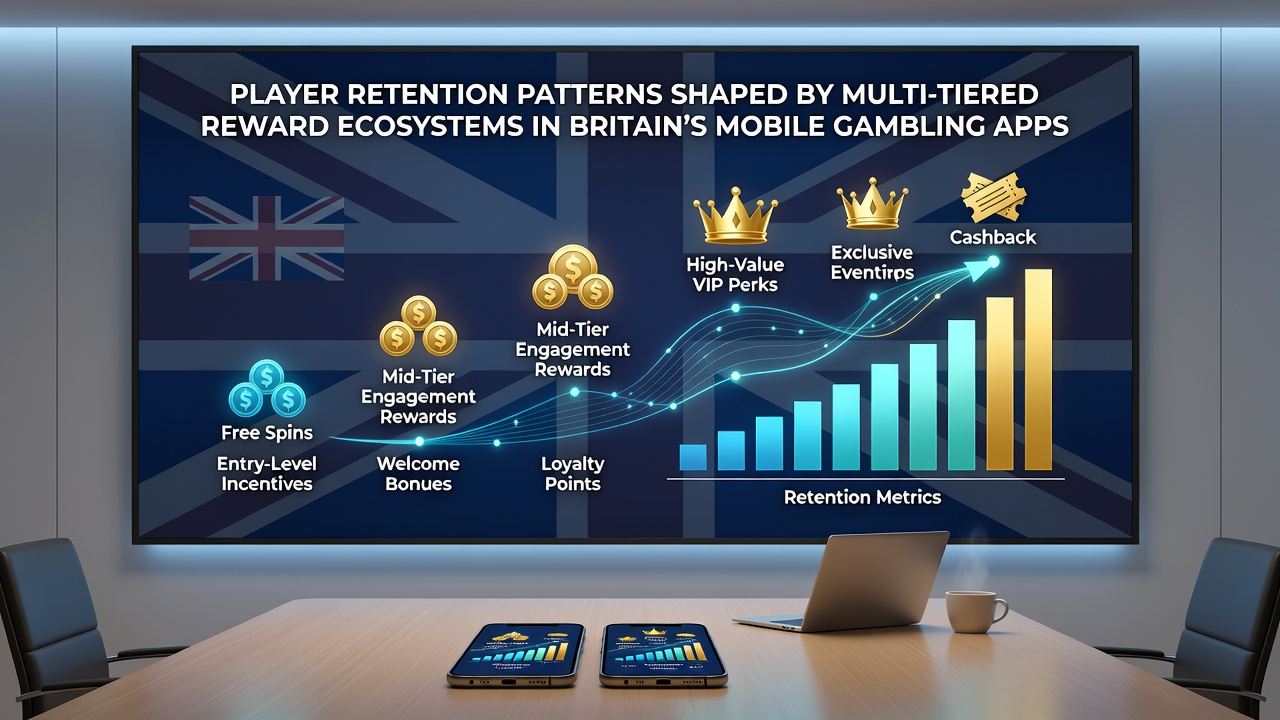
Comparative Patterns Across Platform Types
Slot-focused applications tend to emphasize rapid tier climbs through high-volume spin requirements, whereas casino table game environments integrate slower-burn progression tied to decision-making metrics such as hand frequency and strategic play indicators. This divergence produces distinct retention curves, with slot users showing sharper early gains followed by plateaus, while table game participants maintain steadier advancement over extended timelines. Industry reports from organizations like Gambling Research Australia document parallel structures in comparable markets, confirming that tier velocity directly affects the duration between first deposit and subsequent return visits.
Seasonal fluctuations appear in the data as well, with heightened progression activity during holiday periods and major sporting events that drive increased mobile engagement. Operators adjust tier thresholds temporarily in response to these spikes, and the adjustments help stabilize retention by preventing bottlenecks that might otherwise discourage continued play. Observers tracking November 2026 trends note that platforms incorporating dynamic tier recalibrations based on aggregate user data sustain higher cross-tier migration rates than those using fixed annual schedules.
Impact on Long-Term User Lifecycles
Longitudinal tracking of account lifecycles demonstrates that players who achieve top-tier status within the first year display markedly lower dormancy rates in the following twelve months, and this pattern holds after controlling for initial deposit size. The ecosystems create compounding effects because higher tiers often include features that reduce friction for repeat deposits, such as priority support channels and accelerated bonus release schedules. Those who study these systems point out that the psychological reinforcement of visible progress bars and achievement badges contributes to habit formation, although the precise contribution varies by individual motivational profiles.
Regional regulatory variations within Britain influence how aggressively operators promote tier benefits, and this leads to differences in retention outcomes across England, Scotland, and Wales. Platforms operating under stricter local advertising guidelines rely more heavily on in-app notifications to communicate tier advancements, and this channel proves effective at re-engaging lapsed users who have previously reached intermediate levels. Data patterns suggest that reminder frequency optimized around personal progression milestones outperforms generic promotional blasts in reactivating dormant accounts.
Conclusion
Multi-tiered reward ecosystems continue to shape retention patterns in Britain's mobile gambling apps through structured progression mechanics that reward sustained activity with escalating advantages. The observable outcomes include differentiated retention curves tied to tier velocity, demographic variations in advancement rates, and seasonal adjustments that operators implement to maintain user momentum. As datasets from November 2026 and earlier periods accumulate, clearer mappings emerge between specific ecosystem design choices and long-term engagement metrics across the sector.