Decoding Loyalty Tiers and Their Role in Shaping Repeat Play Patterns on British Online Slot Platforms
Written by Harper Wolf · Oct 4, 2026
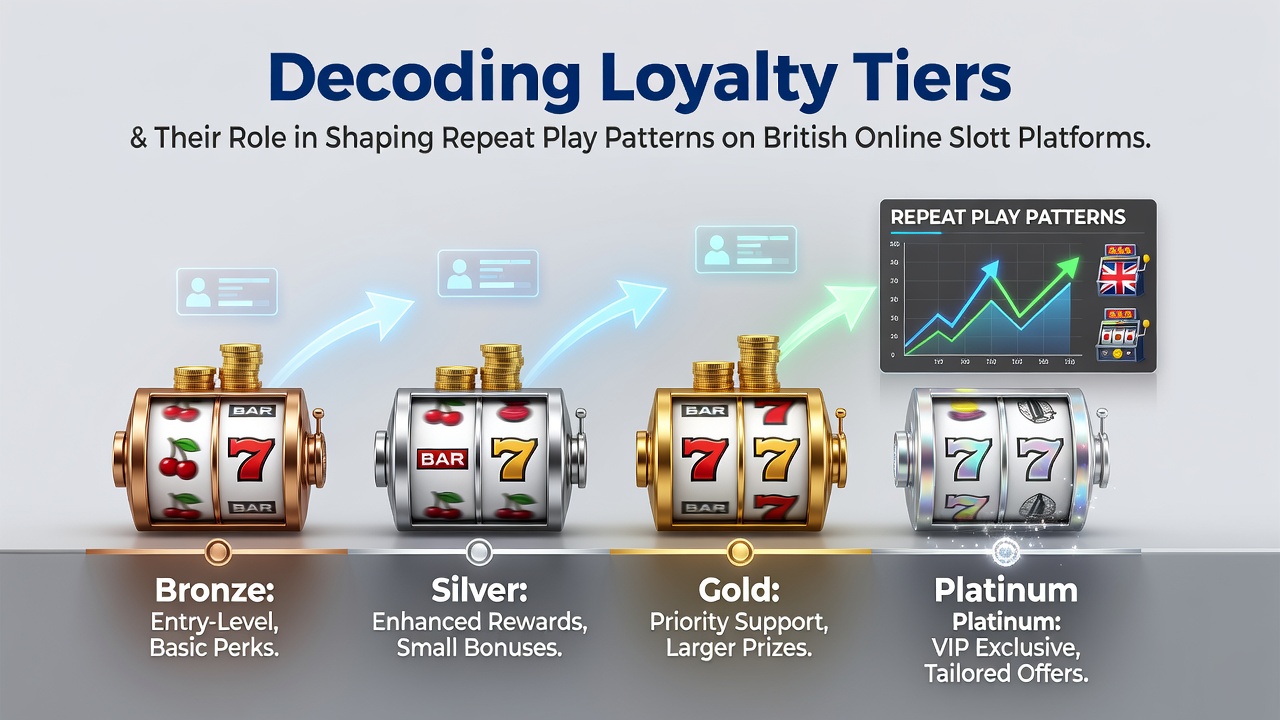
Decoding Loyalty Tiers and Their Role in Shaping Repeat Play Patterns on British Online Slot Platforms
British online slot platforms organise player engagement through structured loyalty tiers that track activity and deliver graduated rewards, and these systems directly influence how often participants return to the games. Operators assign points based on wager volume while advancing users through levels such as entry, intermediate, and premium categories, each carrying distinct benefit packages that encourage continued participation.
Core Components of Tier Systems on UK Slot Sites
Most platforms calculate loyalty points through a straightforward ratio tied to real-money bets, although some apply multipliers during promotional windows or for specific game categories, and this calculation method creates measurable differences in how quickly players ascend tiers. Data from multiple operators shows that consistent weekly play often accelerates progression, whereas sporadic activity keeps users at lower levels for longer periods.
Entry-level tiers typically grant basic perks such as occasional free spins and standard cashback percentages, yet higher tiers unlock personalised bonuses, faster withdrawal processing, and access to dedicated account managers. These differences emerge clearly when comparing session lengths across user groups, because premium-tier members demonstrate extended play periods compared with those at the base level.
Progression Mechanics and Point Accumulation
Players accumulate points through regular slot spins, and platforms frequently reset or carry over balances at the end of calendar periods to maintain momentum. Research indicates that tier advancement correlates with increased deposit frequency, because users who reach mid-level status receive targeted incentives designed to sustain the momentum they have already built.
Observable Effects on Repeat Play Behaviour
Industry analyses reveal that participants who cross into higher tiers exhibit steadier return rates across monthly cycles, and this pattern holds when researchers control for initial deposit sizes. Platforms monitor these metrics closely because repeat visits translate into predictable revenue streams while also shaping the overall distribution of play across different game libraries.
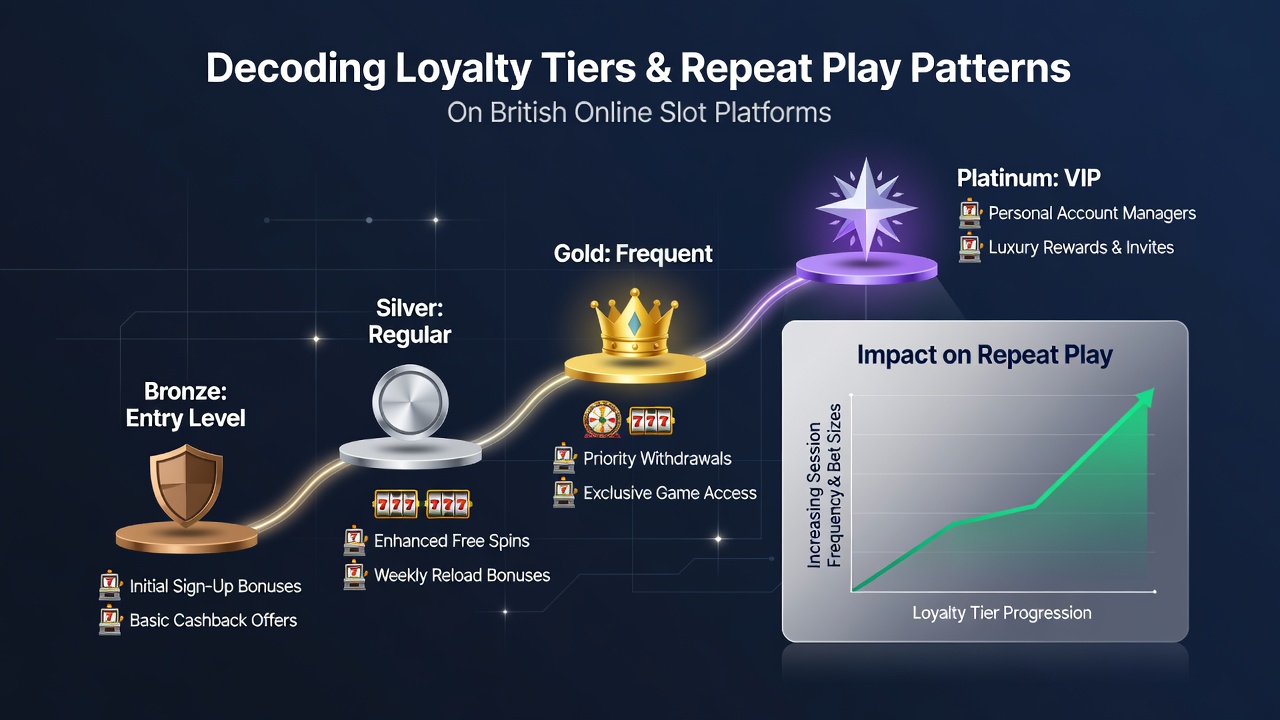
October 2026 figures from several major British operators highlight a noticeable uptick in tier-related engagement during seasonal promotions, and this surge aligns with targeted communications that remind users of impending benefit thresholds. Observers note that the timing of such campaigns influences whether players intensify their activity to secure the next reward bracket.
Comparative Data Across Operator Types
Independent tracking studies conducted by the Responsible Gambling Council in Canada demonstrate similar tier-driven retention patterns in other regulated markets, suggesting that the underlying mechanics transfer across jurisdictions even when regulatory frameworks differ. Australian research published through the Australian Gambling Research Centre further supports the observation that tier benefits function as reliable predictors of session frequency when measured over six-month windows.
Lower-tier users often sample a broader range of titles before settling on favourites, whereas those who reach advanced levels tend to concentrate activity on a narrower selection of high-volatility slots that align with the bonus structures offered at their tier. This concentration effect appears consistently in aggregated platform logs released during industry conferences.
Conclusion
Loyalty tiers on British online slot platforms create a feedback loop where accumulated activity unlocks rewards that in turn sustain further engagement, and the resulting patterns appear consistently across multiple datasets collected through 2026. Operators continue to refine point-earning rates and benefit schedules to balance player retention with responsible play parameters, producing measurable shifts in repeat visit behaviour that researchers track through longitudinal studies. These systems remain central to how platforms structure long-term user relationships within the current regulatory environment.